What Hairstyle Suits Me? Try Hairstyles with AI
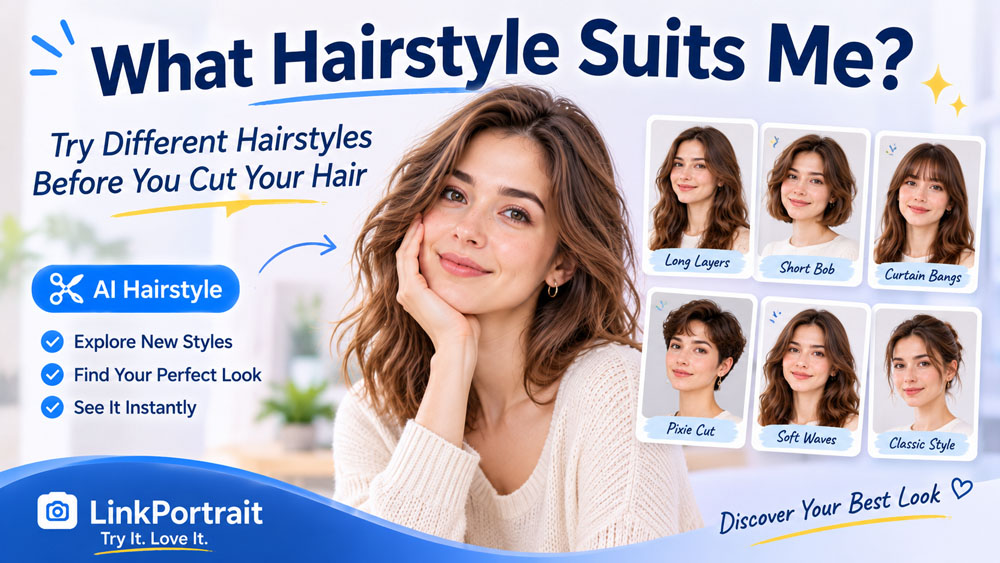
Have you ever looked at a hairstyle online and wondered, "Would this actually look good on me?"
Maybe you're thinking about cutting your long hair into a short bob. Perhaps you want to try bangs, add more layers, or experiment with a completely different hair color.
The problem is that choosing a new hairstyle can feel like a gamble.
A haircut that looks amazing on someone else might not give you the same result. And once your hair has been cut, changing your mind isn't always easy.
So, how can you know whether a hairstyle suits you before making the change?
That's where an AI Hairstyle Generator can help.
With AI hairstyle technology, you can upload your own photo and explore different hairstyles virtually. Instead of relying entirely on imagination or reference pictures, you can preview how different looks might appear on your own face.
In this guide, we'll explore popular hairstyles, how to choose a style that complements your features, and how to use AI to try different hairstyles before visiting a salon.
1. What Hairstyle Suits Me? Start with Your Personal Style
There is no single hairstyle that looks perfect on everyone.
The right hairstyle depends on several factors, including your face shape, hair texture, lifestyle, personal preferences, and the amount of time you're willing to spend styling your hair.
Here are some questions to consider before choosing a new look:
Do you prefer short hair or long hair?
Do you want a low-maintenance hairstyle?
Are you interested in bangs or layers?
Do you prefer a natural or more fashionable appearance?
Are you looking for a subtle change or a completely new look?
You don't have to know the answers immediately.
One of the advantages of trying hairstyles with AI is that you can explore different possibilities before deciding what you actually want.
2. Popular Women's Hairstyles to Try with AI
If you're looking for hairstyle inspiration, here are some popular styles worth exploring.
1. Long Layered Hair
Long layered hair adds movement and dimension without removing too much length.
It is a versatile option for people who want to keep their long hair while creating a softer, more dynamic appearance.
Why try it:
Adds visual movement.
Creates a softer silhouette.
Works with straight, wavy, and curled styling.
Offers flexibility for different occasions.
2. Short Bob
The bob is a classic hairstyle that continues to evolve with modern variations.
From a sleek chin-length bob to a softer textured bob, there are many ways to experiment with this style.
Why try it:
Creates a clean, modern appearance.
Offers a noticeable change from long hair.
Can look polished or casual depending on styling.
Works well for people who want a shorter haircut.
3. Curtain Bangs
Curtain bangs are a popular option for people who want to change their hairstyle without dramatically reducing their overall hair length.
They frame the face and can be styled with long layers, medium-length hair, or shorter cuts.
Why try it:
Adds a different look around the face.
Can blend naturally with layered hair.
Offers more styling flexibility than some shorter fringe styles.
4. Wispy Bangs
Wispy bangs create a softer, lighter fringe compared with thick, blunt bangs.
They can add a delicate detail to many hairstyles.
Why try it:
Creates a softer appearance.
Works with different hair lengths.
Offers a relatively subtle style change.
5. Pixie Cut
A pixie cut is a short hairstyle that can create a confident and distinctive appearance.
There are many variations, from textured pixie cuts to more polished and structured versions.
Why try it:
Offers a dramatic transformation.
Creates a low-length hairstyle.
Highlights facial features.
Can be styled in different ways.
6. Soft Waves
Soft waves add volume and movement while keeping a natural-looking appearance.
They work particularly well for people who want a relaxed style rather than a very structured haircut.
Why try it:
Adds texture and dimension.
Creates a relaxed appearance.
Works with medium and long hair.
Can suit both casual and formal looks.
3. Popular Men's Hairstyles to Try with AI
AI hairstyle tools aren't just for women. Men can also experiment with different haircuts before visiting a barber.
Here are several popular men's hairstyles to explore.
1. Textured Crop
A textured crop is a modern short hairstyle with a textured top and shorter sides.
It offers a clean but relaxed appearance.
Best for:
Modern everyday styling.
Young professionals.
People who prefer shorter hair.
2. Classic Side Part
The classic side part is a timeless hairstyle that creates a neat and professional look.
It works particularly well for business environments and formal occasions.
Best for:
Office professionals.
Business portraits.
Classic personal styles.
3. French Crop
The French crop features a short top with a forward fringe and relatively short sides.
It is a practical choice for people who prefer a simple, structured haircut.
Best for:
Low-maintenance styling.
Modern casual looks.
Short-hair enthusiasts.
4. Slicked-Back Hair
Slicked-back hair creates a more refined and polished appearance.
Depending on the length and texture, it can look classic, modern, or sophisticated.
Best for:
Business professionals.
Formal occasions.
People who prefer a neat appearance.
5. Medium-Length Wavy Hair
Medium-length wavy hair offers a more relaxed and expressive style.
It works well for people who want more length and natural movement.
Best for:
Casual styling.
Creative professionals.
People who enjoy longer hairstyles.
6. Buzz Cut
A buzz cut is a simple, very short hairstyle.
It creates a distinctive appearance and requires relatively little daily styling.
Best for:
Minimalist personal styles.
People who prefer very short hair.
Those looking for a dramatic change.
4. How to Choose a Hairstyle Based on Your Face Shape
Face shape is one factor people often consider when choosing a hairstyle.
Although it shouldn't be treated as a strict rule, understanding your facial proportions can help you explore different styles.
Here are some general ideas.
Oval Face Shape
An oval face is often considered versatile because many hairstyles can complement its proportions.
Styles to explore:
Long layers.
Bob hairstyles.
Curtain bangs.
Textured short hair.
Side-parted hairstyles.
Round Face Shape
Some people with round faces prefer hairstyles that add visual height or create more vertical definition.
Styles to explore:
Long layered hair.
Side-swept bangs.
Textured hairstyles.
Higher-volume styles.
Square Face Shape
Square face shapes often have a more defined jawline.
If you prefer a softer appearance, you might explore hairstyles with movement and texture.
Styles to explore:
Soft waves.
Layered hair.
Side-swept fringe.
Textured medium-length hairstyles.
Heart-Shaped Face
A heart-shaped face typically has a wider forehead and a narrower chin.
Some hairstyles can help create a balanced appearance.
Styles to explore:
Curtain bangs.
Chin-length bob.
Soft layers.
Medium-length waves.
Long Face Shape
People with longer facial proportions may want to experiment with styles that create additional width or reduce the visual emphasis on length.
Styles to explore:
Full bangs.
Side-swept bangs.
Medium-length layers.
Wavy hairstyles.
Remember that these are starting points, not strict rules. Your personal preference, hair texture, and overall style matter just as much.
5. Should You Try Bangs? Use AI Before Making the Decision
Bangs can change the appearance of your hairstyle significantly.
They can frame your face, add visual detail, and create a different overall style.
However, not everyone enjoys maintaining bangs.
Before making the change, consider exploring these options:
| Bang Style | Overall Appearance |
|---|---|
| Curtain Bangs | Soft and versatile |
| Wispy Bangs | Light and natural |
| Blunt Bangs | Bold and structured |
| Side-Swept Bangs | Classic and relaxed |
| See-Through Bangs | Delicate and subtle |
| Micro Bangs | Distinctive and fashion-forward |
With an AI Hairstyle Generator, you can compare different fringe styles using your own photo.
This can help you decide whether you prefer a subtle change or a more noticeable transformation.
6. How to Try Different Hairstyles with AI
You don't need professional photography skills or complicated editing software to explore new hairstyles.
With an AI hairstyle tool, you can start with a suitable photo and experiment with different looks.
Here is a simple workflow.
Step 1: Upload a Clear Photo
Choose a recent photo that clearly shows your face and current hairstyle.
For better results:
Face the camera.
Use natural or balanced lighting.
Avoid heavy beauty filters.
Keep your hair and facial features visible.
Avoid photos with objects covering your face.
A clear reference photo helps the AI process your appearance.
Step 2: Choose a Hairstyle
Think about the style you want to try.
For example:
Long hair to short bob.
Straight hair to soft waves.
No bangs to curtain bangs.
Short hair to medium-length hair.
Natural hair color to a different shade.
You can start with a style you have always wanted to try.
Step 3: Generate Your New Look
Use an AI hairstyle tool to preview the selected style.
Depending on the tool, you may be able to explore different hair lengths, shapes, and styling options.
Step 4: Compare Different Results
Don't stop at the first result.
Try several hairstyles and compare how they look.
Ask yourself:
Which style complements my face?
Which hairstyle matches my personality?
Would I feel comfortable wearing this style?
How much daily maintenance would it require?
Step 5: Save Your Favorite Hairstyle
Once you find a look you like, save the image as a reference.
You can show it to your hairstylist or barber when discussing your next haircut.
AI-generated results are visual previews, not guaranteed predictions of how a real haircut will look. Your natural hair texture, density, growth pattern, and styling techniques will all influence the final result.
7. Why Use an AI Hairstyle Generator Before Visiting a Salon?
Choosing a new hairstyle can involve a lot of uncertainty.
You might find a beautiful hairstyle online, but it can be difficult to imagine how it will look with your own facial features.
An AI Hairstyle Generator offers several advantages.
Explore More Possibilities
You can experiment with different styles without having to cut, color, or restyle your real hair.
Compare Hairstyles More Easily
Instead of switching between reference photos of different people, you can compare different styles using your own image.
Reduce Guesswork
An AI preview can help you communicate your preferences more clearly when discussing a haircut with a professional.
Discover Styles You Hadn't Considered
You may discover that a bob, curtain bangs, or textured haircut suits your personal preferences better than your usual hairstyle.
Save Time When Choosing a New Look
You can narrow down your options before visiting a salon instead of trying to decide everything during your appointment.
8. Try a New Hairstyle with LinkPortrait AI Hairstyle
Ready to explore a different hairstyle?
With LinkPortrait AI Hairstyle, you can use your own photo as a starting point and experiment with new hairstyle ideas.
Whether you're considering a short bob, long layers, curtain bangs, textured men's haircuts, or a completely different look, AI can help you visualize new possibilities.
Getting started is simple:
Upload your photo.
Choose the hairstyle you want to explore.
Generate your new look.
Compare different results.
Save your favorite style as inspiration.
You don't need to commit to a haircut just to discover whether you might like it.
Try LinkPortrait AI Hairstyle and explore a new look before making your next haircut decision.
Your next favorite hairstyle might be one you've never tried before.
9. Final Thoughts: Find Your Next Hairstyle Before You Cut Your Hair
A new hairstyle can be an exciting way to refresh your appearance.
But choosing the right one doesn't have to be a guessing game.
From long layered hair and short bobs to textured men's haircuts and modern fringe styles, there are countless possibilities to explore.
An AI Hairstyle Generator gives you a convenient way to preview different looks using your own photo.
Try something different. Compare several styles. Discover what you like.
And when you're ready, take your favorite look to your hairstylist.
Don't just imagine your next hairstyle. See how it could look with LinkPortrait AI Hairstyle.
Frequently Asked Questions
What is the best AI Hairstyle Generator?
The best AI Hairstyle Generator should produce realistic hairstyle previews, preserve recognizable facial features, and make it easy to explore different styles using your own photo. The right choice depends on your needs and the styles you want to try.
Can AI show me what I would look like with short hair?
Yes. AI hairstyle tools can generate previews of shorter hairstyles using your reference photo. You can experiment with options such as bob cuts, pixie cuts, and other short styles.
Can I try bangs with AI?
Yes. Depending on the tool, you can explore different fringe styles, including curtain bangs, wispy bangs, blunt bangs, and side-swept bangs.
Can AI help me choose a hairstyle for my face shape?
AI hairstyle previews can help you compare different looks, but face shape is only one consideration. Your hair texture, density, personal style, and maintenance preferences also matter.
Can men use an AI Hairstyle Generator?
Absolutely. Men can experiment with styles such as textured crops, side parts, French crops, slicked-back hair, medium-length waves, and buzz cuts.
Can I change my hair color with AI?
Some AI hairstyle tools support hair color transformations. Available options depend on the specific tool and its features.
Do AI hairstyle previews look exactly like real haircuts?
Not always. AI-generated images are visual references rather than exact predictions. Real results depend on your natural hair texture, thickness, length, and how your stylist creates the haircut.
Should I show my AI hairstyle result to my hairstylist?
Yes. Saving a hairstyle preview can help you communicate what you like. Your hairstylist can then advise whether the style is suitable for your hair type and how to achieve a similar result.